

October Flash PMI: Selling Prices Climb at Fastest Pace Since 2022
US businesses raised their selling prices in October at the fastest pace in more than four years, even as overall activity stayed strong, according to S&P Global’s flash US PMI survey released Friday, Oct. 23, 2026. The headline Composite Output Index came in at 57.6, down from 58.4 in September but still well above the 50 mark that separates growth from contraction.
What happened
The flash PMI is an early monthly reading built from surveys of private-sector companies. S&P Global collected October responses from Oct. 9 to Oct. 22. Key findings from the release:
- Overall activity: The composite output index eased to 57.6 from 58.4, a two-month low that S&P Global still describes as strong growth.
- Services: The services business activity index slipped to 57.9 from 58.8. Kitco News reported the services figure was in line with expectations.
- Manufacturing: The manufacturing PMI edged up to 56.0 from 55.9, its highest reading in 53 months, while the factory output index dipped to 55.8 from 56.2.
- Selling prices: Prices charged for goods and services rose at the sharpest rate since August 2022. Service providers posted their steepest price increases since August 2022, and manufacturers their fastest since July 2022.
- Input costs: Businesses reported the fastest rise in costs since November 2022, apart from September. Survey respondents pointed to oil-based inputs, energy, fuel and freight, plus steel, aluminum and copper, often linked to tariffs or shortages.
- Demand and hiring: Composite new orders grew at the fastest pace in more than four and a half years, and services new business was the strongest since March 2022. Overall hiring was the fastest since June 2022, excluding September.
S&P Global chief business economist Chris Williamson said cost pressures “remain a key concern” as higher oil prices ripple through the economy, and warned that consumer inflation is likely to climb further above the Federal Reserve’s 2% target in the coming months.
Why it matters for small businesses
The survey points to two forces pulling in opposite directions. Demand is healthy: customers are still placing orders, and companies are adding staff. But the cost of doing business keeps rising, especially for anything tied to fuel, shipping or metals.
For small sellers, that shows up in a few places:
- Supplier invoices and shipping. Freight and energy costs feed directly into packaging, postage surcharges and wholesale prices.
- Competitors’ prices. When larger companies raise prices quickly, customers may be more accepting of modest increases from smaller shops too.
- Interest rates. Strong activity plus rising prices gives the Fed less reason to ease. The Fed meets Oct. 27–28, and our preview of the decision explains what markets expect. Higher-for-longer rates keep credit cards and business loans expensive.
- Hiring competition. Faster hiring across the private sector can make it harder and costlier to find seasonal help before the holidays.
Keep in mind that flash PMI figures are preliminary. S&P Global publishes final October readings in early November, and they can be revised.
What you can do now
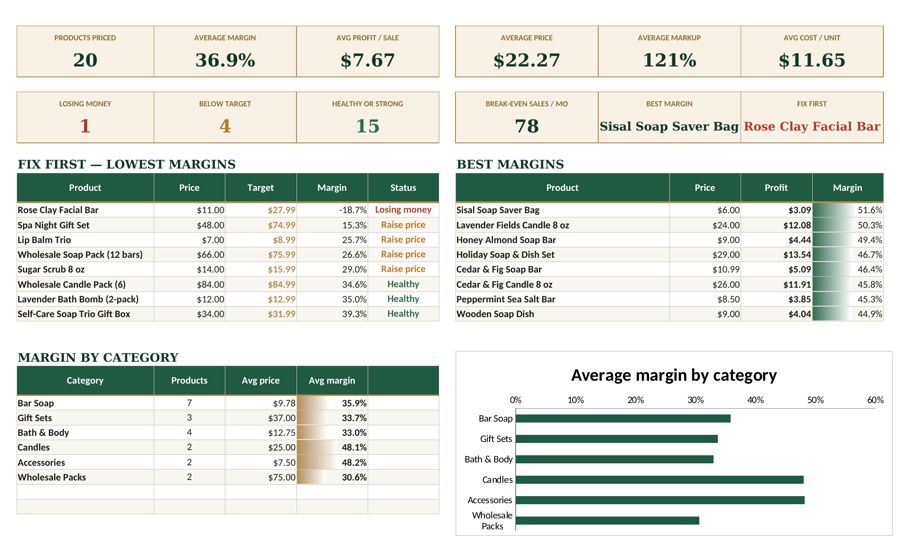
- Re-run your unit costs. Update material, packaging and shipping costs with your latest invoices, then check your margin per product. Our guide on how to price handmade products for profit walks through the math.
- Decide on price changes before the holiday rush. If your margin has slipped, a small, planned increase now is usually easier than a scramble in December.
- Lock in key supplies. If you buy oil-based materials, metals or freight-heavy goods, ask suppliers whether quotes are rising and consider ordering what you need for the season sooner.
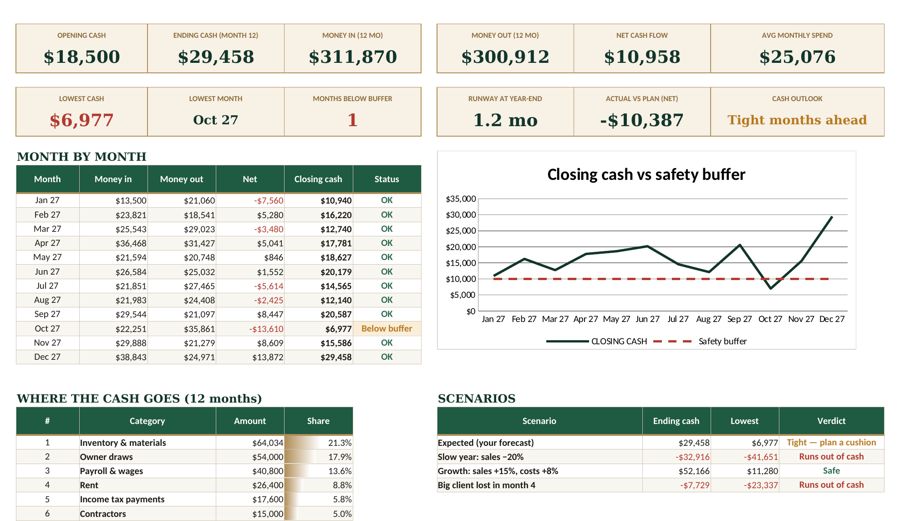
- Watch your cash cushion. Higher costs and steady borrowing rates squeeze cash first. A rolling 13-week cash flow forecast shows where the pinch could land.
- Plan staffing early. If you need holiday help, post openings and set pay now rather than competing for workers in late November.
This brief is for general information only and is not financial advice.
Sources
Tools mentioned in this article
More news


Fyscale news briefs summarize public information from the sources listed above; read our editorial policy. This article is general information for US small businesses, not tax, legal or accounting advice. Check current IRS guidance or ask a qualified professional about your situation.