

Jobless Claims Fall to 194,000, Lowest Since July, as Layoffs Stay Rare
The number of Americans filing a first-time claim for unemployment benefits fell to 194,000 in the week ended October 17, the U.S. Department of Labor reported Thursday morning, October 22. That is a drop of 6,000 from the prior week and the lowest weekly reading since July. Economists polled by Reuters had expected claims to come in around 200,000.
For small business owners, the headline is simple: employers are still holding on to their workers. But the same data also shows that people who do lose a job are taking longer to find a new one.
What happened
According to the Labor Department’s weekly release:
- Initial claims (seasonally adjusted) were 194,000 for the week ended October 17, down from a revised 200,000 the week before. The prior week was originally reported at 199,000.
- The four-week moving average, which smooths out week-to-week noise, slipped by 1,000 to 197,750.
- Continuing claims — people still collecting benefits after their first week — rose by 25,000 to 1,728,000 for the week ended October 10.
- The insured unemployment rate held at 1.1%.
Reuters noted that claims are close to the 189,000 level reached in mid-July, which was the lowest since 1969. The Associated Press reported that weekly claims have not topped 230,000 in any week so far this year.
The broader picture is what economists call a “low-hire, low-fire” job market. The Bureau of Labor Statistics reported that employers added just 29,000 jobs in September and the unemployment rate rose to 4.2%. Reuters reported that the median length of unemployment reached 11.5 weeks in September, near its highest in four and a half years.
This week’s claims data also covers the survey period for the October jobs report, so it offers an early hint that layoffs did not pick up this month.
Why it matters for small businesses
Your customers still have paychecks. Low layoffs support steady consumer spending heading into the holiday season, which matters for retailers, restaurants, service providers and online sellers.
Hiring is still competitive for skilled roles. Few layoffs means fewer experienced workers on the market. If you need seasonal help or a skilled hire, expect to pay up or start your search early.
Interest rates are not coming down soon. A firm labor market gives the Federal Reserve less reason to ease. The Fed raised its benchmark rate by a quarter point in September to a range of 3.75%–4.00%, and economists surveyed by Reuters expect it to hold at next week’s meeting, with another increase possible in December. That keeps credit card, line-of-credit and SBA loan rates elevated.
Job seekers are taking longer to land. A longer job search can mean more freelancers and side businesses competing for clients — and also a larger pool of contract talent you can tap without committing to a full-time hire.
What you can do now
- Lock in seasonal staff this month. With few people being laid off, the best seasonal candidates go fast. Post roles now and be clear about pay and hours.
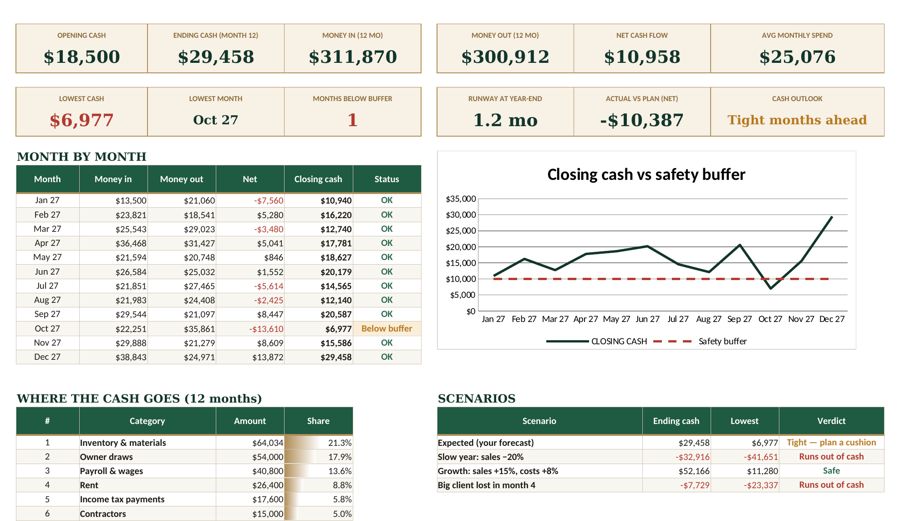
- Plan for borrowing costs to stay high. If you rely on a variable-rate credit line, model what another quarter-point increase would cost you through early 2027. Our guide to cash flow vs. profit shows why that matters even for profitable businesses.
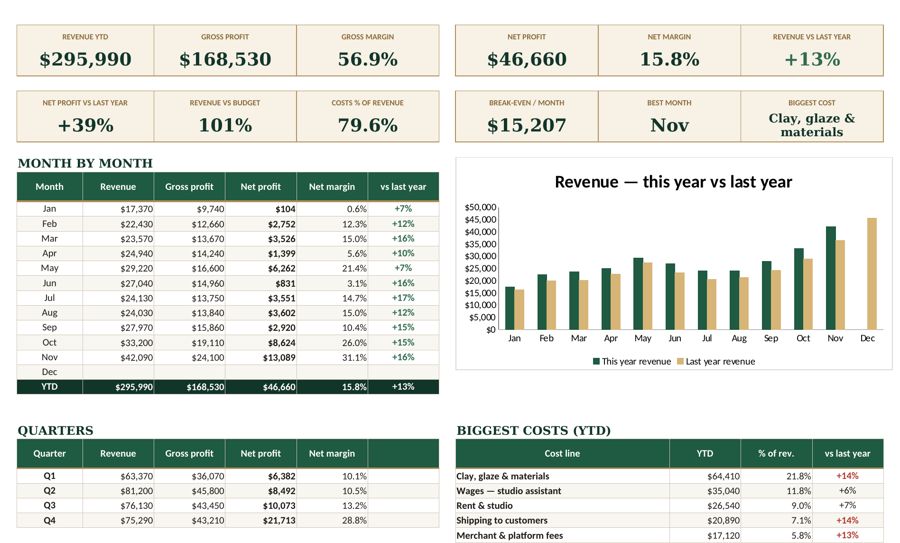
- Review your labor cost per sale. If wages are rising faster than your prices, check your margins line by line. Our profit and loss walkthrough explains where to look.
- Consider contractors for peak weeks. Freelancers can fill short gaps, but make sure the arrangement fits IRS rules for independent contractors.
- Watch the October jobs report. It is the next major data point before the Fed’s December meeting and will shape the rate outlook for 2027.
This brief is for general information only and is not financial, tax or legal advice.
Sources
- U.S. Department of Labor — Unemployment Insurance Weekly Claims (Oct. 22, 2026)
- Reuters via Investing.com — US weekly jobless claims near 57-year lows
- AP via WFTV — US jobless claims sink to 194,000, a 3-month low as layoffs stay scarce
- Quartz — U.S. jobless claims fell to a 3-month low, below forecasts
Tools mentioned in this article
More news



Fyscale news briefs summarize public information from the sources listed above; read our editorial policy. This article is general information for US small businesses, not tax, legal or accounting advice. Check current IRS guidance or ask a qualified professional about your situation.