

Fed Expected to Hold Rates at 3.75%–4% Next Week, With a December Hike in View
The Federal Reserve is widely expected to leave its benchmark interest rate unchanged at a range of 3.75% to 4% when policymakers meet on October 27–28, but economists now see another increase coming before the year is out. In a Reuters poll of 100 economists conducted October 16–20, 94 said they expect the Fed to hold next week, and every respondent said they expect a quarter-point hike at the final meeting of 2026 on December 8–9.
That is a sharp shift from a month ago, when fewer than half of the economists Reuters surveyed were penciling in a December move. For small business owners who borrow on credit lines, business cards or variable-rate loans, the message is that the cost of money is more likely to rise than fall over the next few months.
What happened
- The Fed raised rates in September. On September 16, the Federal Open Market Committee voted 12–0 to lift the federal funds target range by a quarter point to 3.75%–4%, its first increase since 2023. The official statement said that “inflation remains elevated” and that the move would support a timelier return to the Fed’s 2% goal. It gave no explicit guidance on what comes next.
- Inflation data stayed hot. The Bureau of Labor Statistics reported that the Consumer Price Index rose 0.6% in September, while producer prices for final demand rose 1.3%. (Our September inflation brief has the full breakdown.)
- Hiring is slow. Payrolls grew by a preliminary 29,000 jobs in September and the unemployment rate was 4.2%, according to BLS.
- Forecasters see a higher peak. Nearly 60% of economists in the Reuters poll expect the policy rate to top out at 4%–4.25%, and 38 of 92 forecasters now predict at least two more increases. Poll medians show the Fed’s preferred inflation gauge, the PCE price index, staying more than a percentage point above 2% and not returning to target until at least 2028.
- Energy is a key pressure point. Reuters noted that oil prices have been holding above $100 a barrel. Fed Chair Kevin Warsh has offered little forward guidance, and several Fed officials have said they prefer to see more data before acting again.
The Fed’s October decision is scheduled for release at 2 p.m. Eastern on October 28.
Why it matters for small businesses
- Borrowing costs: The prime rate, which many business credit lines and credit cards track, generally moves with the federal funds rate. A December hike would likely push those variable rates up again.
- Cash flow: Higher interest expense on existing balances takes cash away from inventory, marketing and payroll, especially for businesses carrying revolving debt.
- Prices and demand: With energy and wholesale costs rising, many sellers face higher input and shipping costs at the same time customers are feeling price pressure, which can squeeze margins heading into the holiday season.
- Planning uncertainty: Economists in the poll said the bigger risk is that the Fed raises rates more than expected, not less, so budgets built on falling rates may need a second look.
What you can do now
- List every variable-rate balance you carry — credit lines, business cards, merchant cash advances — and note which ones would reprice if rates rise in December.
- Pay down or refinance the most expensive revolving debt first while current terms are still available, and compare fixed-rate options if you expect to borrow in 2027.
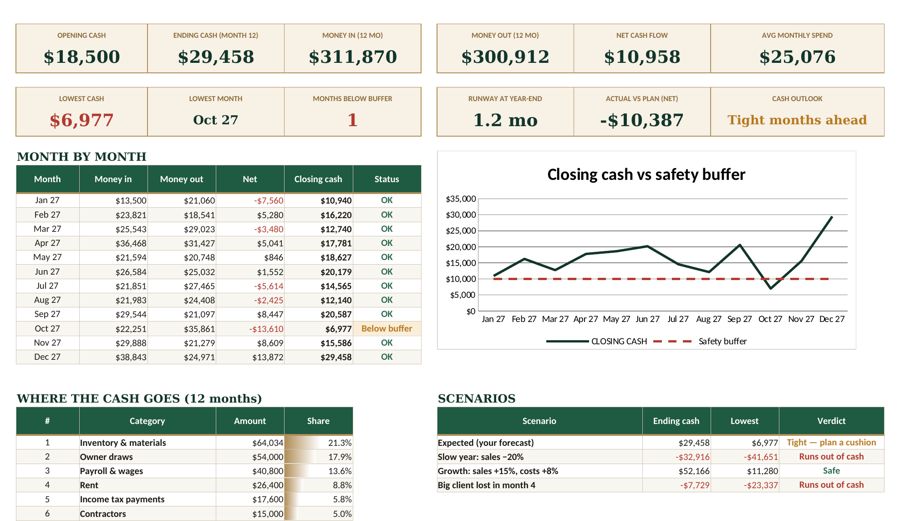
- Run a 90-day cash forecast that includes a slightly higher interest expense. If you are new to this, our guide on cash flow vs. profit explains why a profitable shop can still run short.
- Review your pricing before peak season so rising costs don’t quietly erode your margin. See how to price handmade products for profit.
- Watch the October 28 statement and press conference for any change in language about future increases.
This brief is for general information only and is not financial or investment advice.
Sources
- Federal Reserve — Federal Reserve issues FOMC statement (Sept. 16, 2026)
- Federal Reserve — Meeting calendars and information
- U.S. Bureau of Labor Statistics — Major Economic Indicators: Latest Numbers
- Reuters via Investing.com — Fed to skip October but raise rates again in December, nearly all economists say
- Investing.com via Yahoo Finance — Federal Reserve seen skipping October rate hike but hiking in December
Tools mentioned in this article
More news
Fyscale news briefs summarize public information from the sources listed above; read our editorial policy. This article is general information for US small businesses, not tax, legal or accounting advice. Check current IRS guidance or ask a qualified professional about your situation.