

Fed Decision, GDP and Inflation Data Headline a Busy Week for Small Businesses
The Federal Reserve announces its next interest rate decision on Wednesday, Oct. 28, 2026, and the government follows on Thursday, Oct. 29, with its first estimate of third-quarter economic growth and the September inflation reading the Fed watches most closely. Together, the releases will shape borrowing costs and the outlook for holiday demand heading into November.
What happened
Here is the confirmed schedule for the week, based on official calendars from the Federal Reserve and the Bureau of Economic Analysis (BEA). All times are Eastern.
- Tuesday, Oct. 27 – Wednesday, Oct. 28: The Federal Open Market Committee (FOMC) holds a two-day policy meeting. The Fed’s calendar lists the meeting entry at 2:00 p.m. on Wednesday, with Fed Chair Kevin Warsh’s press conference at 2:30 p.m.
- Thursday, Oct. 29, 8:30 a.m.: BEA releases the advance estimate of third-quarter 2026 GDP and the Personal Income and Outlays report for September, which includes the personal consumption expenditures (PCE) price index. The Labor Department’s weekly jobless claims report is also due Thursday morning.
Where things stand going in:
- Interest rates: The federal funds target range is 3.75% to 4%. Kiplinger reported that CME Group FedWatch pricing showed about an 88% probability that the Fed leaves rates unchanged this week, and noted that the next rate increase is seen as more likely in December.
- Growth: BEA’s third estimate put second-quarter real GDP growth at a 2.2% annual rate.
- Inflation: In August, the PCE price index rose 0.3% for the month and 3.4% from a year earlier, BEA said. Excluding food and energy, prices were up 0.2% for the month and 3.0% over the year.
- Spending: Consumer spending rose 0.9% in August, while inflation-adjusted disposable income was flat and the personal saving rate was 4.1%.
Why it matters for small businesses
Borrowing costs. The Fed’s decision and, just as importantly, the tone of its statement and press conference influence rates on business credit cards, lines of credit and variable-rate loans. A hold with signals of a December hike would suggest borrowing costs stay high through year-end, or rise.
Pricing. Thursday’s PCE report shows how fast prices are rising for consumers. Business surveys this month already point to rising costs: S&P Global’s October flash PMI found selling prices rising at the fastest pace since 2022. A hot PCE number would add to pressure on the Fed and on your suppliers’ quotes.
Demand. The GDP and spending figures give a read on whether consumers are still spending heading into the holidays. Spending has held up even as incomes adjusted for inflation stalled and the saving rate sits near 4%, which may leave some households with less room to absorb further price increases.
Taxes and planning. Year-end decisions, such as buying equipment or paying down debt before Dec. 31, often depend on what rates and demand look like. This week’s data will make that picture clearer.
What you can do now
- Know your rate exposure. List any variable-rate debt, such as lines of credit or credit card balances, and estimate what a higher rate would cost per month.
- Pay down expensive balances first. If you have spare cash after the holiday inventory build, high-interest card debt is usually the first place to put it.
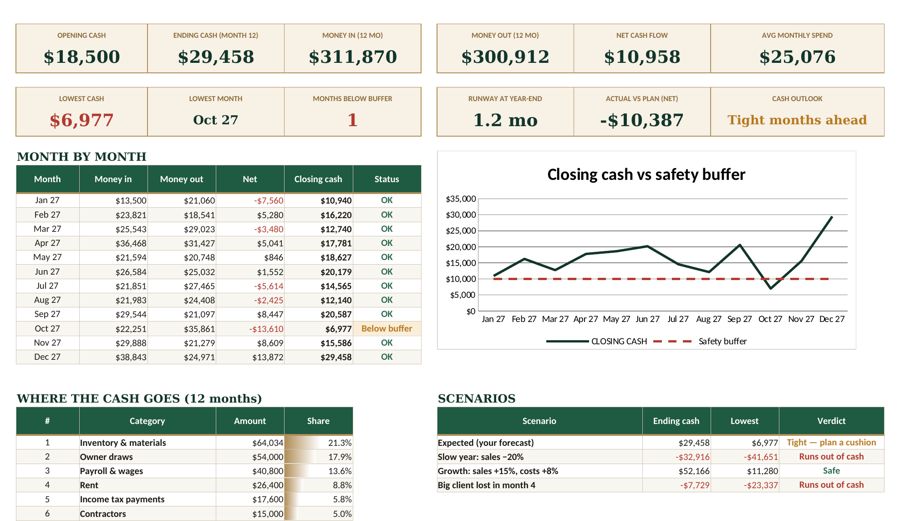
- Stress-test your cash flow. Run a version of your forecast with slower sales and higher costs. Our guide to a 13-week cash flow forecast shows how.
- Check your profit, not just your sales. Rising costs can hide behind a busy month. Review your numbers using our walkthrough on how to read a profit and loss statement.
- Watch for Wednesday’s statement. The details matter more than the decision itself if a hold is widely expected. Look for any language about future increases.
This brief is for general information only and is not financial or investment advice.
Sources
- Federal Reserve Board — Calendar: October 2026
- U.S. Bureau of Economic Analysis — Release Schedule
- U.S. Bureau of Economic Analysis — Personal Income and Outlays, August 2026
- U.S. Bureau of Economic Analysis — GDP (Third Estimate), 2nd Quarter 2026
- Kiplinger — What to Look Out for in Economic Data This Week (October 26-30)
Tools mentioned in this article
More news

Fyscale news briefs summarize public information from the sources listed above; read our editorial policy. This article is general information for US small businesses, not tax, legal or accounting advice. Check current IRS guidance or ask a qualified professional about your situation.