

Fed Holds Rates at 3.75%–4% in 10-2 Vote as Two Officials Push for a Hike
The Federal Reserve kept its benchmark interest rate at a target range of 3.75% to 4% on Wednesday, Oct. 28, pausing one month after its first rate increase since 2023. The decision was not unanimous: Governor Lisa Cook and Cleveland Fed President Beth Hammack voted against it, preferring another quarter-point increase, according to the Federal Open Market Committee (FOMC) statement.
What happened
- The decision: The FOMC voted 10-2 to hold the federal funds rate steady. Both dissenters wanted a 0.25 percentage point hike.
- A rare split: Fortune reported it was the first time since October 1992 that a Fed governor and a regional bank president dissented on the same side, and Cook’s first dissent since joining the Board in 2022.
- The backdrop: The Fed raised rates by a quarter point in September, its first increase since July 2023, Fox Business reported.
- The Fed’s view of the economy: The statement said economic activity “is expanding at a strong pace,” an upgrade from “solid” in September, according to Fortune. Job gains have kept pace with labor force growth and the unemployment rate has changed little. The statement said inflation remains elevated and that the committee will gather more information before judging the right policy stance.
- What Chair Kevin Warsh said: At his news conference, Warsh said Americans are still dealing with inflation above the Fed’s objective and that “it’s our responsibility to get inflation down,” according to Fox Business. He said the 2% goal, measured by PCE inflation, is the only target, and that politics played no role in the decision ahead of the Nov. 3 midterm elections.
- Market expectations: After the decision, futures pricing tracked by CME FedWatch put the odds of a December rate hike at about 83%, Fox Business reported. The next FOMC meeting is Dec. 8–9.
Data released the next day added to the inflation debate. The Bureau of Economic Analysis reported that the PCE price index rose 3.6% in the 12 months through September, with core PCE up 3.1%, while third-quarter GDP grew at a 3.4% annual rate. Read our full brief on Q3 GDP and September PCE inflation.
Why it matters for small businesses
- Variable-rate borrowing stays expensive. Business credit cards, lines of credit and many variable-rate loans are priced off the prime rate, which typically moves with the federal funds rate. The hold keeps those rates where they are for now.
- A December hike is a real possibility. If the Fed raises rates again in December, expect variable-rate payments to rise by roughly a quarter point within one or two billing cycles.
- Customers feel it too. Higher card and loan rates squeeze household budgets during the holiday shopping season, which can make buyers more price-sensitive.
- Cash earns more. Higher rates also mean business savings and money market accounts generally pay more than they did a few years ago.
What you can do now
- List every variable-rate balance. Note the current rate and estimate the monthly payment if it rises 0.25 percentage point.
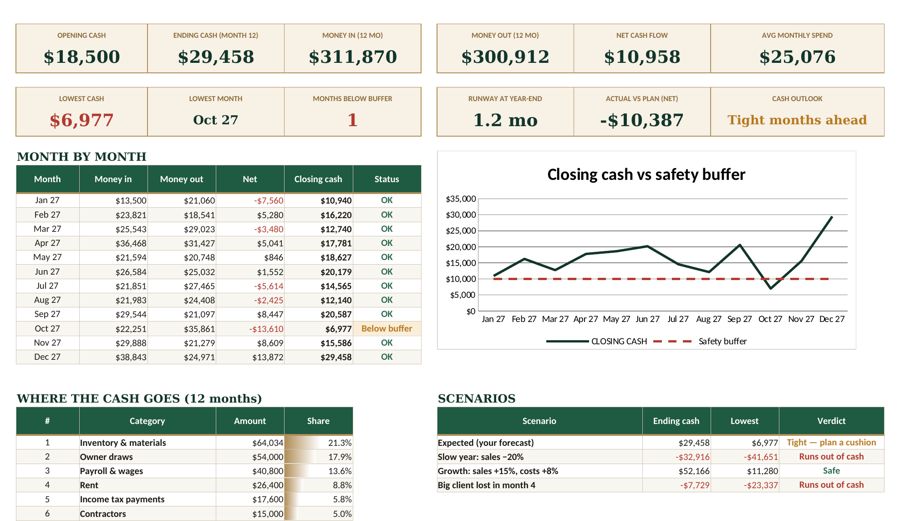
- Plan holiday inventory financing carefully. Know how and when stock bought on credit will be paid off. Our guide to cash flow vs profit explains why profitable sales can still leave you short on cash.
- Put idle cash to work. Keep your tax and emergency reserves in an interest-bearing business account rather than a no-interest checking account.
- Build a simple monthly budget. A small business budget makes it easier to absorb a higher interest bill without surprises.
- Mark Dec. 9 on your calendar. The Fed’s next decision could change borrowing costs before year-end.
This brief is general information, not financial, tax or investment advice.
Sources
- Federal Reserve — Federal Reserve issues FOMC statement (Oct. 28, 2026)
- Fortune — Fed holds rates steady as a governor and president dissent together for the first time since 1992
- Fox Business — October FOMC: Federal Reserve holds rates steady ahead of election
- U.S. Bureau of Economic Analysis — Personal Income and Outlays, September 2026
Tools mentioned in this article
More news

Fyscale news briefs summarize public information from the sources listed above; read our editorial policy. This article is general information for US small businesses, not tax, legal or accounting advice. Check current IRS guidance or ask a qualified professional about your situation.