

Durable Goods Orders Rise 1.8% in September as Aircraft Lift Factory Demand

New orders for long-lasting U.S. manufactured goods rose 1.8% in September to about $345.4 billion, the Commerce Department’s Census Bureau reported Tuesday, Oct. 27. Most of the jump came from a surge in commercial aircraft orders. A closely watched measure of business equipment spending rose a more modest 0.5%, slightly below what economists had expected.
What happened
The Census Bureau’s advance report showed durable goods orders up $6.3 billion in September, following a 0.1% gain in August (revised up from roughly flat), according to figures summarized by ActionForex.
- Transportation equipment orders climbed 4.6%, driven by a 28.4% jump in nondefense aircraft orders. Aircraft orders tend to swing sharply from month to month.
- Excluding transportation, orders rose 0.5%, after a 0.3% gain in August.
- Excluding defense, orders rose 2.2%.
- Core capital goods orders — nondefense capital goods excluding aircraft, a proxy for business investment plans — rose 0.5% after an unrevised 1.6% jump in August. Economists polled by Reuters had forecast a 0.7% increase.
- Core capital goods shipments, which feed into the government’s GDP calculation, rose 1.2% after a 0.6% gain the month before.
- Machinery orders rose 1.2%, and computers and electronic products rose 0.8%.
- Unfilled orders increased 0.8% to about $1.62 trillion, and inventories of durable goods rose 0.3%.
The Census figures are seasonally adjusted and are not adjusted for price changes, so part of any increase can reflect higher prices rather than more units ordered.
Reuters noted that business equipment spending has posted two straight quarters of double-digit growth, largely fueled by heavy investment in artificial intelligence. Economists expect the advance estimate of third-quarter GDP, due Thursday, Oct. 29, to show annualized growth above 3%, Reuters reported.
The report lands as the Federal Reserve holds its two-day policy meeting on Oct. 27–28, according to the Fed’s published calendar.
Why it matters for small businesses
Durable goods orders are an early read on how much companies are willing to spend on equipment, vehicles and machinery. For small businesses, the report matters in a few practical ways:
- Demand from bigger customers. If you sell to manufacturers, contractors or other businesses, steady core orders suggest those buyers are still investing — though the 0.5% gain was softer than August’s.
- Supplier lead times. Rising unfilled orders can mean longer waits for equipment and parts. If you plan to buy machinery, tools or vehicles, availability and delivery dates may matter as much as price.
- Interest rates. Solid investment and growth data are among the factors the Fed weighs. Borrowing costs on business loans and credit lines remain tied to the Fed’s decisions, so a strong economy can keep financing costs elevated.
- Prices. Because the numbers aren’t inflation-adjusted, higher dollar orders can partly reflect higher prices — something many small businesses are already seeing in their own input costs.
What you can do now
- Lock in equipment quotes early. If a purchase is on your 2027 plan, ask suppliers now about lead times and how long a quoted price is valid.
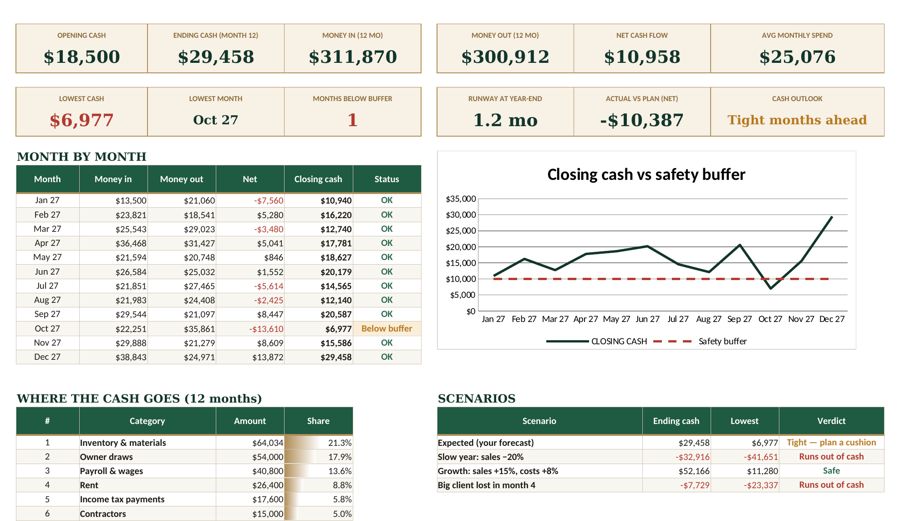
- Stress-test your cash flow. Map the next three months of payments, including any equipment financing. A 13-week cash flow forecast makes timing gaps easier to spot.
- Compare financing options before you need them. With the Fed meeting this week, review the rate and terms on your current credit line and any loan offers.
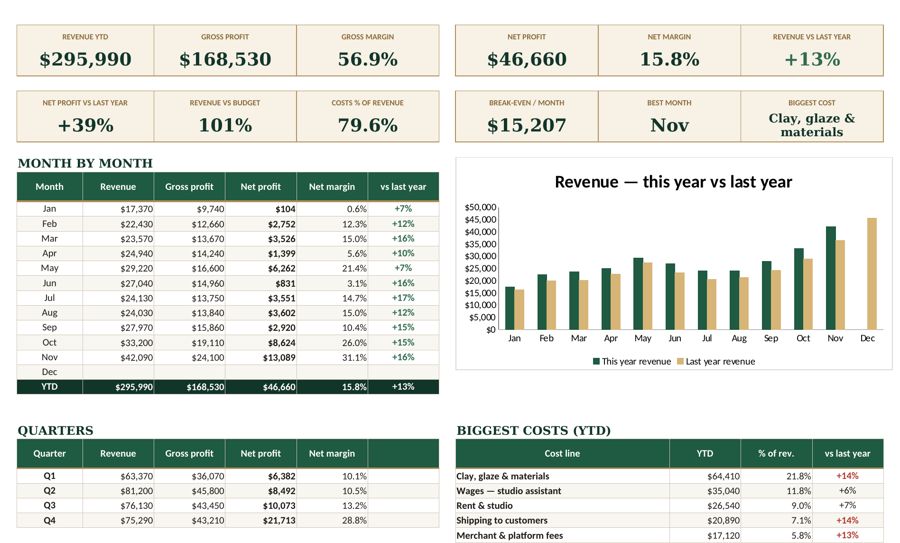
- Watch your margins, not just sales. Rising costs can shrink profit even when revenue grows — see cash flow vs. profit for how to track both.
- Mark Thursday’s GDP release. The third-quarter estimate will give a broader picture of consumer and business spending heading into the holidays.
This brief is for general information only and is not financial, tax or investment advice.
Sources
- U.S. Census Bureau — Advance Report on Durable Goods Manufacturers' Shipments, Inventories and Orders
- Reuters (via 102.7 WBOW) — US core capital goods rise in September; shipments accelerate
- ActionForex — US Durable Goods Orders Rise 1.8%, but Aircraft Drive Much of the Strength
- Federal Reserve — Meeting calendars and information
Tools mentioned in this article
More news



Fyscale news briefs summarize public information from the sources listed above; read our editorial policy. This article is general information for US small businesses, not tax, legal or accounting advice. Check current IRS guidance or ask a qualified professional about your situation.