

IRS Reports Record $5.6 Trillion in Collections as Business Tax Account Payments Soar

The Internal Revenue Service collected a record $5.6 trillion in taxes in fiscal year 2026, up nearly 5% from the year before, the agency said in a news release (IR-2026-129) on Oct. 29. The report also showed a sharp move toward online payments and electronic filing, including a jump of nearly 250% in payments made through the IRS Business Tax Account.
What happened
The IRS’s fiscal year runs from Oct. 1 through Sept. 30. In its year-end summary, the agency reported:
- Collections: a record $5.6 trillion, up nearly 5% from fiscal 2025.
- Refunds: total refund dollars claimed rose 17% and the average refund rose 11%. About 90% of electronic filers received refunds in less than 21 days, according to the IRS.
- Average tax rate: the overall average tax rate for tax year 2025 fell to 12.6%, based on individual returns filed through mid-July.
- Online accounts: individual Online Account users rose 34% to about 37.6 million, and payments made through those accounts rose 57% to more than $133.6 billion.
- Business Tax Account: payments rose nearly 250% to $726.6 million.
- Paperless payroll forms: more than 90% of Form 940 returns and more than 80% of Form 941 returns were processed electronically under the agency’s Zero Paper initiative.
- Fraud: the IRS said it protected about $38 billion from identity theft refund fraud.
IRS Chief Executive Officer Frank J. Bisignano credited the refund increases to the Working Families Tax Cuts law and said the IRS is becoming a “Digital-First agency,” the release said. Scripps News also noted that the IRS introduced an Automatic Exemption from Penalty program in July, which waives certain penalties automatically for eligible taxpayers instead of requiring a first-time abatement request.
Why it matters for small businesses
Payments are moving online. The growth in Business Tax Account payments shows more owners are paying the IRS directly online rather than by mail. Online payments come with confirmations and a history you can check later, which helps when reconciling your books.
Paper is being phased out. With most quarterly payroll returns (Form 941) and annual federal unemployment returns (Form 940) already filed electronically, employers still mailing paper forms may face slower processing.
Refund timing affects cash flow. If your household or business counts on a refund early in the year, the IRS’s 21-day figure for e-filers is a useful planning point, though individual results vary.
Year-end is close. The 2027 filing season covers tax year 2026. Records you organize now will make that filing faster.
What you can do now
- Set up or log in to your IRS Business Tax Account at IRS.gov to view balances and payment history. Never share login codes, and use only the official IRS.gov site.
- Switch to electronic filing for payroll forms if you still file on paper, or ask your payroll provider to confirm they e-file.
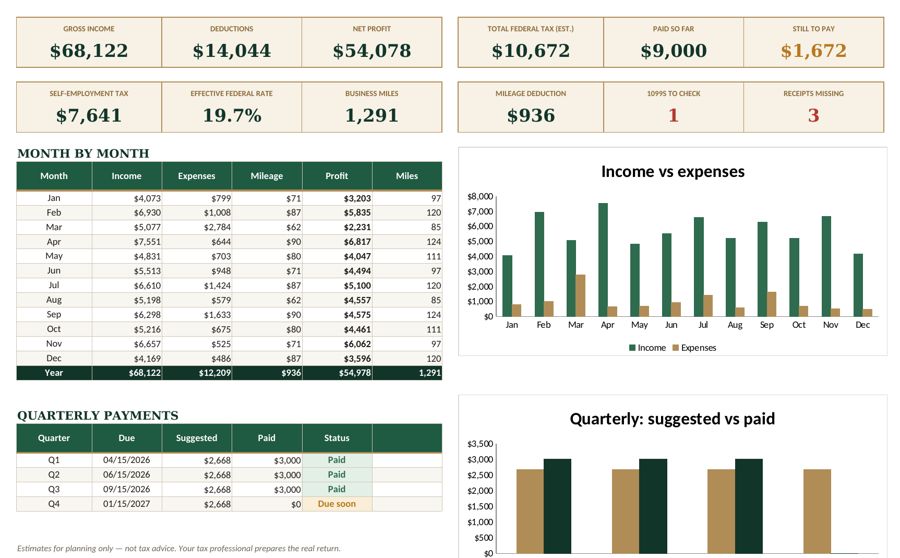
- Plan your January 15 estimated payment now. Our guide to quarterly estimated taxes covers dates and methods.
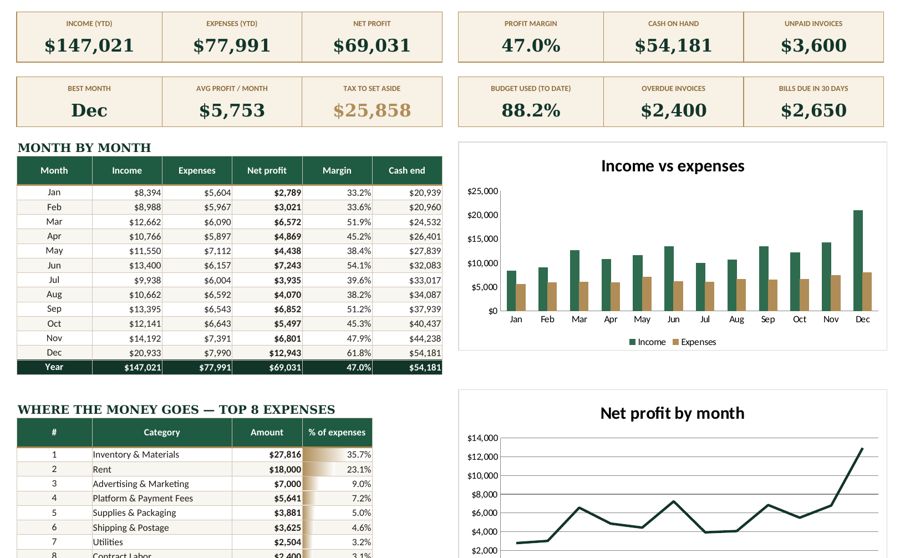
- Run a year-end records check with our year-end tax checklist so receipts and income records are ready.
- Watch for scams. Fraudsters often pose as the IRS. The agency says suspected tax fraud can be reported through IRS.gov/submitatip.
This article is general information, not tax advice. Talk with a tax professional about your situation.
Sources
Tools mentioned in this article
More news



Fyscale news briefs summarize public information from the sources listed above; read our editorial policy. This article is general information for US small businesses, not tax, legal or accounting advice. Check current IRS guidance or ask a qualified professional about your situation.