

ACA Open Enrollment for 2027 Starts Nov. 1 as Benchmark Premiums Rise 13%
Open enrollment for 2027 health coverage under the Affordable Care Act (ACA) begins Sunday, November 1, and runs through January 15, 2027, on HealthCare.gov, according to the Centers for Medicare & Medicaid Services (CMS). Shoppers will face higher sticker prices again: benchmark silver premiums are rising an average of 13% for 2027, according to an analysis by health policy research group KFF.
For freelancers, Etsy sellers and other self-employed people who buy their own insurance, the marketplace is often the main source of coverage, so the next few weeks matter for both household budgets and business cash flow.
What happened
CMS published its plan year 2027 marketplace fact sheet on October 30. The agency said that on HealthCare.gov, enrollees will have an average of five to six insurance companies and about 100 plans to choose from in their area, and that more than 75% of HealthCare.gov purchasers will have access to a plan at or below $50 a month after financial help. CMS also said enrollees will see an average of 35 plans eligible for a health savings account (HSA).
KFF’s October 30 analysis adds context on costs and coverage:
- Premiums: Benchmark silver premiums rise 13% on average, about 11% in states using HealthCare.gov and 16% in states that run their own platforms. That follows a 26% rise from 2025 to 2026.
- Subsidy limits: People with income above 400% of the federal poverty level no longer qualify for premium tax credits and pay the full premium.
- Insurer changes: As of October 29, 11 carriers had announced exits from at least one state and 7 had announced entries. Cigna is leaving the individual market in all 11 states where it operates.
- Tax-time change: Limits on how much excess premium tax credit enrollees must repay are eliminated starting with tax year 2026.
- Enrollment outlook: The Congressional Budget Office projects marketplace enrollment will fall from a 2025 peak of 22.4 million to 13.1 million in 2027.
Key deadlines
On HealthCare.gov, people who enroll by December 15, 2026 get coverage starting January 1, 2027, and plans chosen from December 16 to January 15 start February 1, according to HealthCare Insider. Some states that run their own exchanges set different windows. California, the District of Columbia, New Jersey, New York and Rhode Island run through January 31, 2027, Virginia through January 29, and Massachusetts through January 23, while Idaho’s window closes December 15, according to healthinsurance.org.
Why it matters for small businesses
- Cash flow: A higher premium is a fixed monthly cost. For a solo business, it can shift how much you need to earn each month just to break even.
- Irregular income: Premium tax credits are based on estimated annual income. With repayment limits removed, an income estimate that turns out too low could mean a larger bill when you file your 2026 and later returns.
- Insurer exits: If your current insurer is leaving your state, you will need to choose a new plan to stay covered.
What you can do now
- Log in and compare, don’t auto-renew blindly. Premiums, networks and insurers may have changed since last year.
- Estimate 2027 income carefully. Use your year-to-date sales and a realistic forecast, and update the marketplace if your income changes during the year.
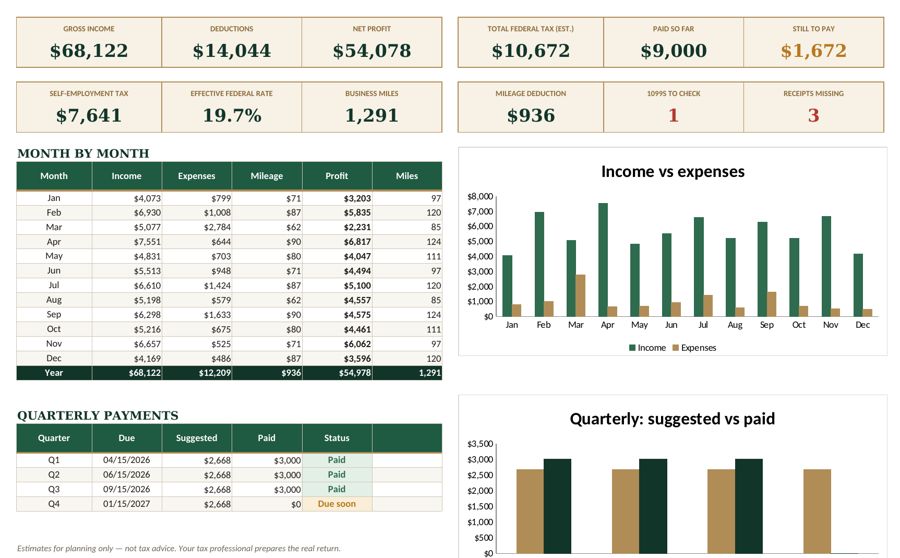
- Plan for the tax side. Set money aside for taxes and any possible credit repayment. Our guide on how much a freelancer should set aside for taxes can help.
- Keep records. Self-employed people may be able to deduct health insurance premiums. See freelancer tax deductions you might be missing and confirm with a tax professional.
- Mark December 15 on your calendar if you want coverage to start January 1.
This brief is for general information only and is not tax, legal, insurance or financial advice.
Sources
Tools mentioned in this article
More news


Fyscale news briefs summarize public information from the sources listed above; read our editorial policy. This article is general information for US small businesses, not tax, legal or accounting advice. Check current IRS guidance or ask a qualified professional about your situation.