

Holiday Shipping Costs Head for Record as Diesel Fuel Surcharges Near 30%
Small online sellers should brace for the most expensive holiday shipping season on record. With U.S. diesel averaging about $6.28 a gallon, fuel surcharges at UPS and FedEx are close to 30% of base rates, and an industry index tracked by Reuters projects fourth-quarter parcel prices well above last year’s. Reuters reported the findings on Monday, Oct. 26, 2026.
What happened
- Diesel is the driver. The U.S. Energy Information Administration (EIA) put the average on-highway diesel price at $6.276 a gallon for the week of Oct. 19, up nearly 10 cents from the prior week and about $2.66 higher than a year earlier. EIA’s next weekly update is scheduled for Oct. 27.
- Surcharges near 30%. According to Reuters, at that diesel price UPS’s fuel surcharge stands at 29.5% and FedEx’s at 29%. Regional carrier OnTrac’s West Coast surcharge was also 29.5% for the week ending Oct. 25.
- Holiday rates rising. The TD Cowen/AFS Freight Index, built from data on about 1,800 shippers, expects fourth-quarter ground parcel pricing to run 5.8% above a year earlier and express pricing 13.8% higher, Reuters reported.
- The formula got steeper. Reuters noted that when diesel cost $2.91 a gallon in early 2021, the fuel surcharge was 7.75% of the base rate; at that same diesel price today, it would be 23.75%.
- Other carriers too. The U.S. Postal Service added its first fuel surcharge, 8% on most packages, in April, and Amazon began adding a 3.5% fuel and logistics surcharge to sellers’ fulfillment fees the same month, according to Reuters.
- Gasoline is easing only slightly. AAA said the national average for regular gas fell 6 cents to $4.27 in the week to Oct. 22, while crude oil neared $100 a barrel.
Why it matters for small businesses
Shipping is often the second-biggest cost after the product itself for small e-commerce sellers, and a fuel surcharge is applied on top of the base rate, so it grows with every package. A seller who quoted “free shipping” in September may now be absorbing several percentage points more per order than planned, right as order volume peaks.
Higher delivery costs also hit the demand side. Shoppers already stretched by gas prices above $4 may be quicker to abandon a cart when shipping fees appear at checkout. Service businesses that drive to clients, and makers who buy supplies delivered by truck, face the same diesel-linked costs through their vendors.
Large retailers can negotiate discounts or move volume to regional carriers. Most small sellers can’t, so the main levers are pricing, packaging and carrier choice.
What you can do now
- Re-run your per-order shipping cost. Pull the latest surcharge from your carrier or shipping-label platform and update your numbers for an average order, not last quarter’s.
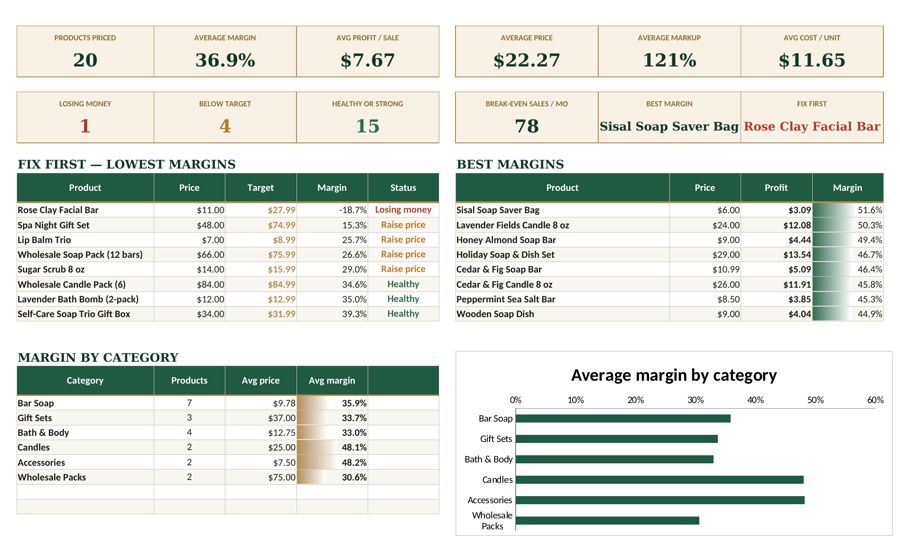
- Check your margins with the new cost. If you offer free shipping, make sure the cost is built into the item price. Our guide on how to price handmade products for profit shows how to include shipping and fees in your price.
- Trim package size and weight. Dimensional weight rules mean smaller boxes can cut both the base rate and the surcharge applied to it.
- Compare services. Ground options and postal services may be cheaper for light parcels than express; reserve faster services for customers who choose and pay for them.
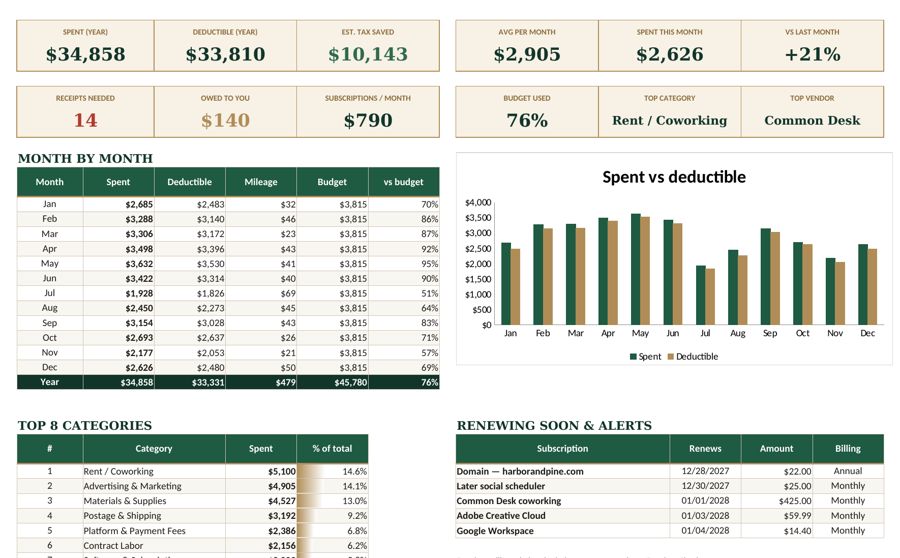
- Track shipping as its own expense line. Recording postage separately makes it easier to see how much fuel surcharges are eating into profit and to support deductions at tax time. See Etsy fees explained for a breakdown of the other per-order costs to watch.
This brief is for general information only and is not financial or tax advice.
Sources
Tools mentioned in this article
More news



Fyscale news briefs summarize public information from the sources listed above; read our editorial policy. This article is general information for US small businesses, not tax, legal or accounting advice. Check current IRS guidance or ask a qualified professional about your situation.