

Gas and Diesel Prices Ease as Oil Drops 7%, but Fuel Costs Stay High for Small Firms

The national average price of regular gasoline fell to $4.17 a gallon on Monday, Nov. 2, according to AAA, down about 12 cents from a week earlier, as crude oil prices dropped roughly 7% on hopes of progress in talks over reopening the Strait of Hormuz. Diesel, the fuel that powers most delivery trucks, slipped to $6.29 a gallon. Both remain far above year-ago levels.
What happened
AAA’s daily survey for Nov. 2 put the national average for regular gasoline at $4.169 a gallon, compared with $4.286 a week earlier and $4.396 a month earlier. A year ago, the average was $3.036.
Diesel averaged $6.292 a gallon, down from $6.349 a week earlier and $6.373 a month earlier, AAA data show. That is still about $2.60 more than a year ago, when diesel averaged $3.684. TheStreet, citing AAA, noted that diesel had peaked at $6.528 on Sept. 22.
The drop at the pump followed a sharp slide in crude on Monday. Spectrum News reported that Brent crude, the global benchmark, fell 6.7% to $105.87 a barrel in early trading, and TheStreet reported that the U.S. benchmark settled at $96.46, down 7.4%. The outlets tied the decline to reports of diplomatic progress between the United States and Iran on reopening the Strait of Hormuz, along with the normal seasonal dip in fuel demand after summer.
Analysts cautioned that the relief may not last. GasBuddy’s Patrick De Haan wrote that volatility “could return quickly after the election,” according to Spectrum News. Goldman Sachs raised its December forecast for Brent to $105 a barrel from $90, the outlet reported.
Why it matters for small businesses
Fuel is a direct cost for any business that drives to clients, delivers orders or runs equipment, and an indirect cost for nearly everyone else through shipping rates. Carriers set fuel surcharges based on diesel prices, so diesel still running more than 70% above last year keeps shipping costs elevated heading into the holiday season.
Pump prices also tend to fall more slowly than crude. As energy experts told ABC News last month, retailers usually sell off fuel they bought at higher prices before cutting what they charge. That means a Monday drop in oil may take days or weeks to show up fully at the pump, and any renewed spike can reverse it quickly.
For consumers, cheaper gas frees up a little spending money just as holiday shopping ramps up. A 12-cent weekly drop is modest, though, and household fuel budgets remain much tighter than in 2025.
What you can do now
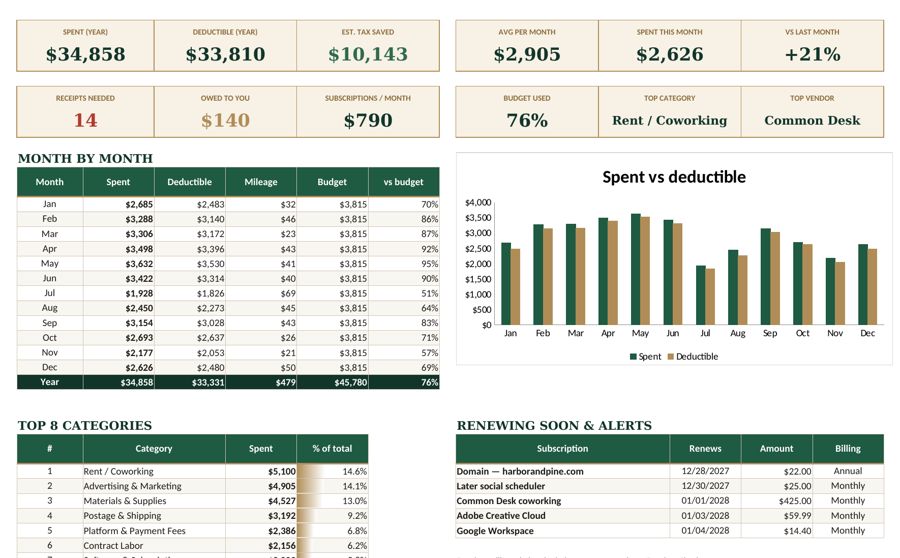
- Keep your mileage log current. Business driving is deductible, but only with good records. See our guide to a business mileage log.
- Don’t lock in price cuts based on one week of fuel data. Hold current shipping and delivery prices until diesel shows a sustained decline.
- Recheck carrier surcharges. Fuel surcharge tables typically update weekly. Compare what you charge buyers for shipping against what you actually pay.
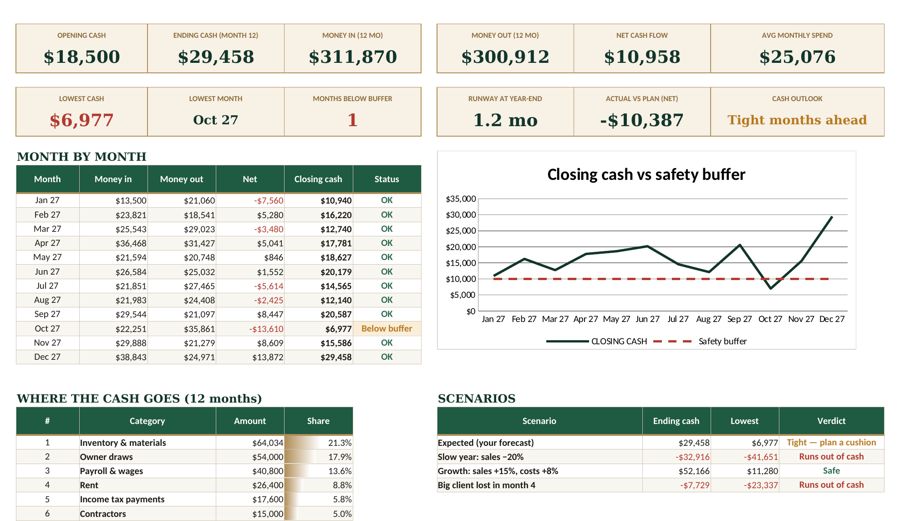
- Run two fuel scenarios in your forecast. Model December with gas near today’s level and with a renewed spike. Our 13-week cash flow forecast guide shows how.
- Combine trips and batch shipments. Fewer runs to the post office or clients cut fuel costs regardless of where prices go next.
This brief is for general information only. Fuel prices change daily; check AAA for current figures in your state.
Sources
Tools mentioned in this article
More news



Fyscale news briefs summarize public information from the sources listed above; read our editorial policy. This article is general information for US small businesses, not tax, legal or accounting advice. Check current IRS guidance or ask a qualified professional about your situation.